
Updated Senior Safety Rules for Australian Drivers
The newly introduced senior safety guidelines aim to protect older motorists by addressing common challenges that come with ageing. Under these reforms, Australian transport officials highlight the importance of regular medical checks, driving confidence tests, vision assessment updates, and vehicle safety reviews. These steps help ensure every senior driver is prepared to manage road conditions safely. For many older Australians, these guidelines offer reassurance by promoting safer habits without restricting independence. They also encourage families to support seniors with appointments and assessments, helping them navigate the new requirements with greater ease.

New Mandatory Requirements for Older Motorists in Australia
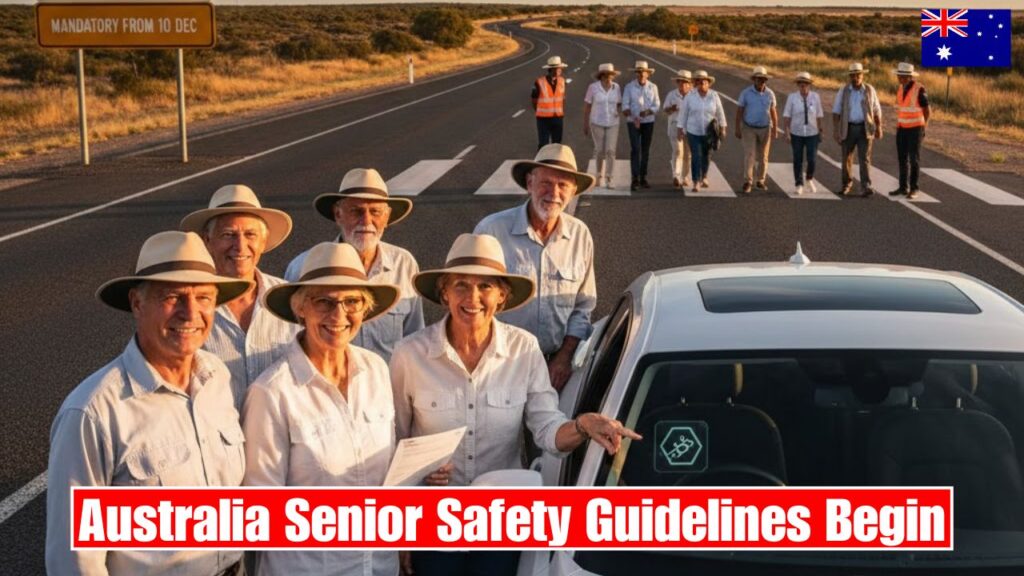
From 10 December, several mandatory rules will apply to senior drivers nationwide. These rules focus on maintaining safe driving standards, timely licence assessments, updated medical reports, and road skill evaluations. Authorities emphasise these updates as proactive measures designed to keep older motorists safe rather than punitive restrictions. Many senior drivers welcome structured guidelines, as they provide clarity and a smoother process for licence renewals. The aim is to ensure that every individual on the road, especially those 70 and above, feels supported while meeting essential safety expectations.
Australia’s New Senior Transport Compliance Measures
Compliance measures included in the new guidelines promote responsible driving while simplifying procedures for older Australians. Transport departments now require annual health certificates, vision clarity checks, mobility capability reviews, and licence validation steps. These additions ensure seniors remain road-ready without unnecessary complications. Many of the changes were introduced after careful consultation with medical experts and senior community groups. The purpose is to create a fair balance between independence and safety, reducing accidents while empowering older drivers to stay active and engaged.

Summary and Final Analysis
The new senior safety guidelines in Australia represent a thoughtful shift toward safer, more structured mobility for older drivers. By implementing age-related safeguards, clear driving checks, health-based requirements, and risk reduction steps, authorities hope to create a more dependable road environment. These reforms are meant to support senior independence while minimising potential hazards. As the changes take effect from 10 December, staying informed will help seniors and their families prepare and adjust confidently.
| Requirement | Details |
|---|---|
| Medical Check Frequency | Annual assessments required for senior drivers |
| Vision Assessment | Mandatory clarity check for licence renewals |
| Driving Skill Review | Road evaluation for drivers aged 70+ |
| Compliance Start Date | Mandatory rules begin on 10 December |
| Vehicle Safety Review | Recommended for all older motorists |
Frequently Asked Questions (FAQs)
1. When do the new senior safety rules start?
The mandatory rules begin on 10 December across Australia.
2. Do seniors need a yearly medical check?
Yes, annual medical assessments are required for older drivers.
3. Are vision tests mandatory for licence renewal?
Yes, updated vision clarity checks are part of the new guidelines.
4. Will these rules restrict senior independence?
No, they aim to support independence while improving safety.